
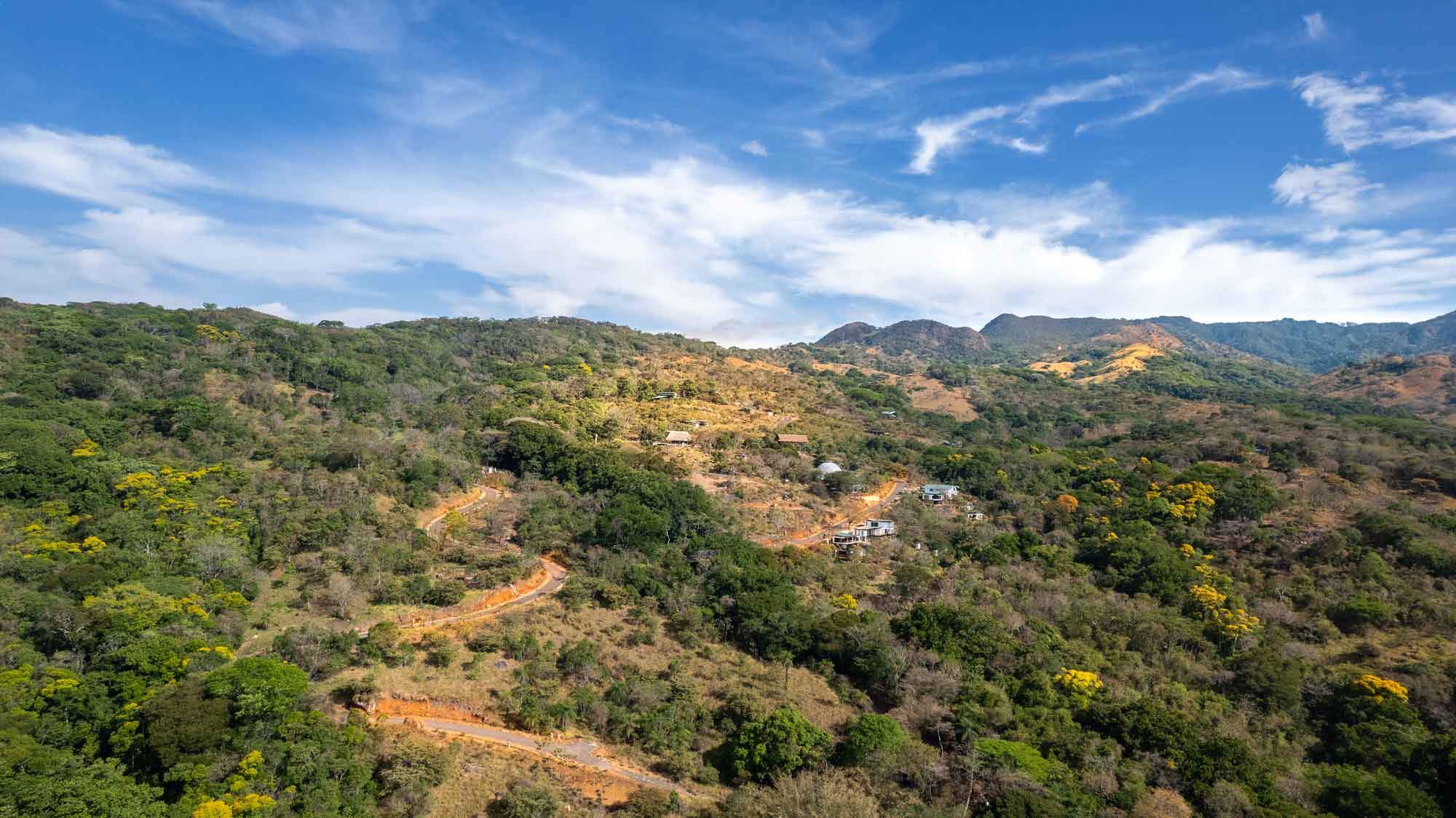
About Machuca Valley
Photo by Florian Kuster
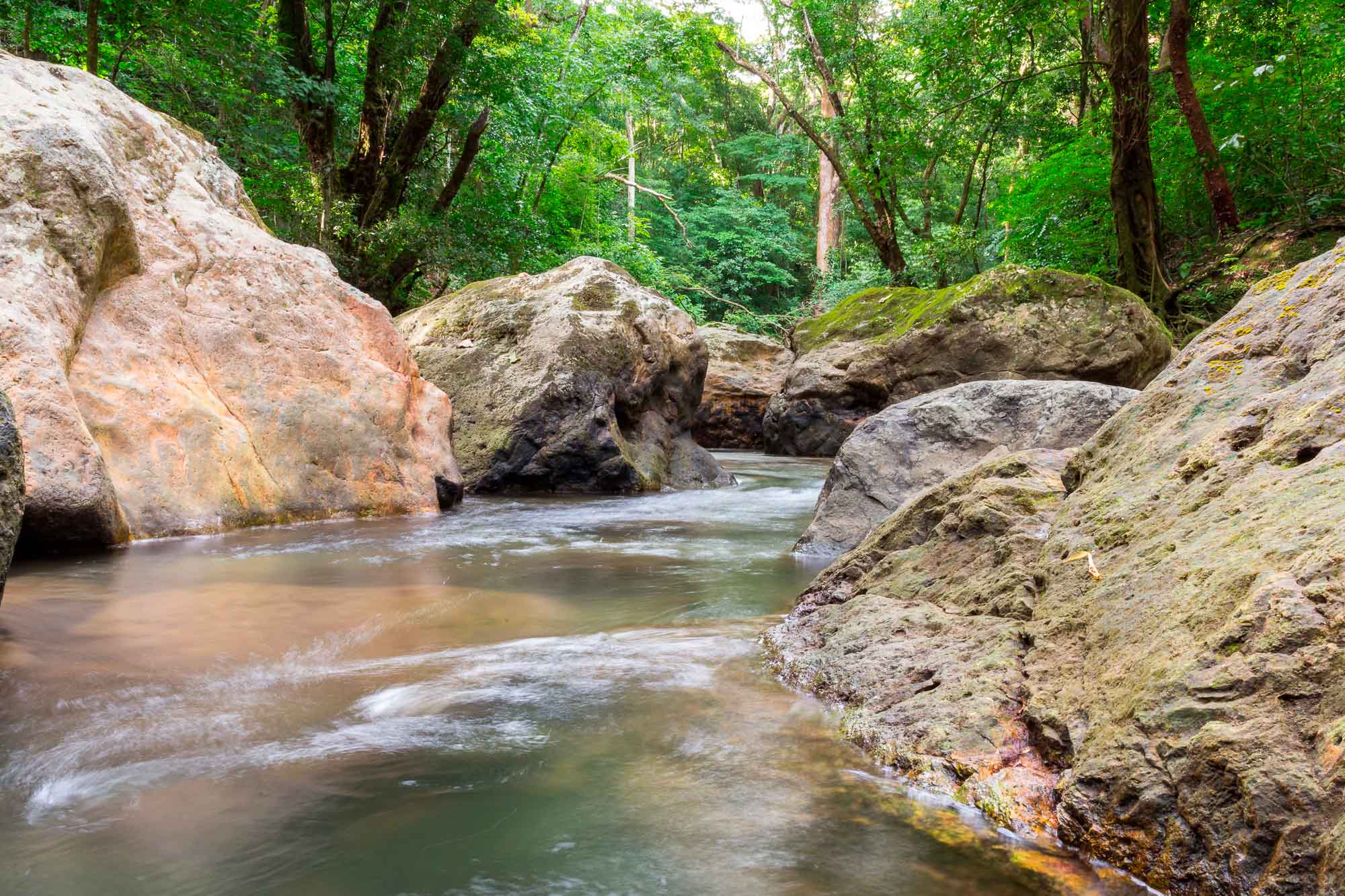
The river and the corridor
The Machuca Valley, in Alajuela, Costa Rica, is a corridor of wonderful biological and cultural diversity. The banks of the Machuca River are the focal point where those two things, nature and people, meet. The river feeds into its parent, the Jesús María, and from there out into the Pacific at Tivives.
Our valley sits between Orotina and Atenas, in a place with a long history of coffee production and mango farms, and of the workshops where the classic painted carreta was built to carry both down to the coast.
The meeting of river and people asks for a delicate kind of awareness. Working alongside established foundations, the wider community has put real effort into the health of this watershed — the clearest example of what a valley can do when it decides something together.
The communities
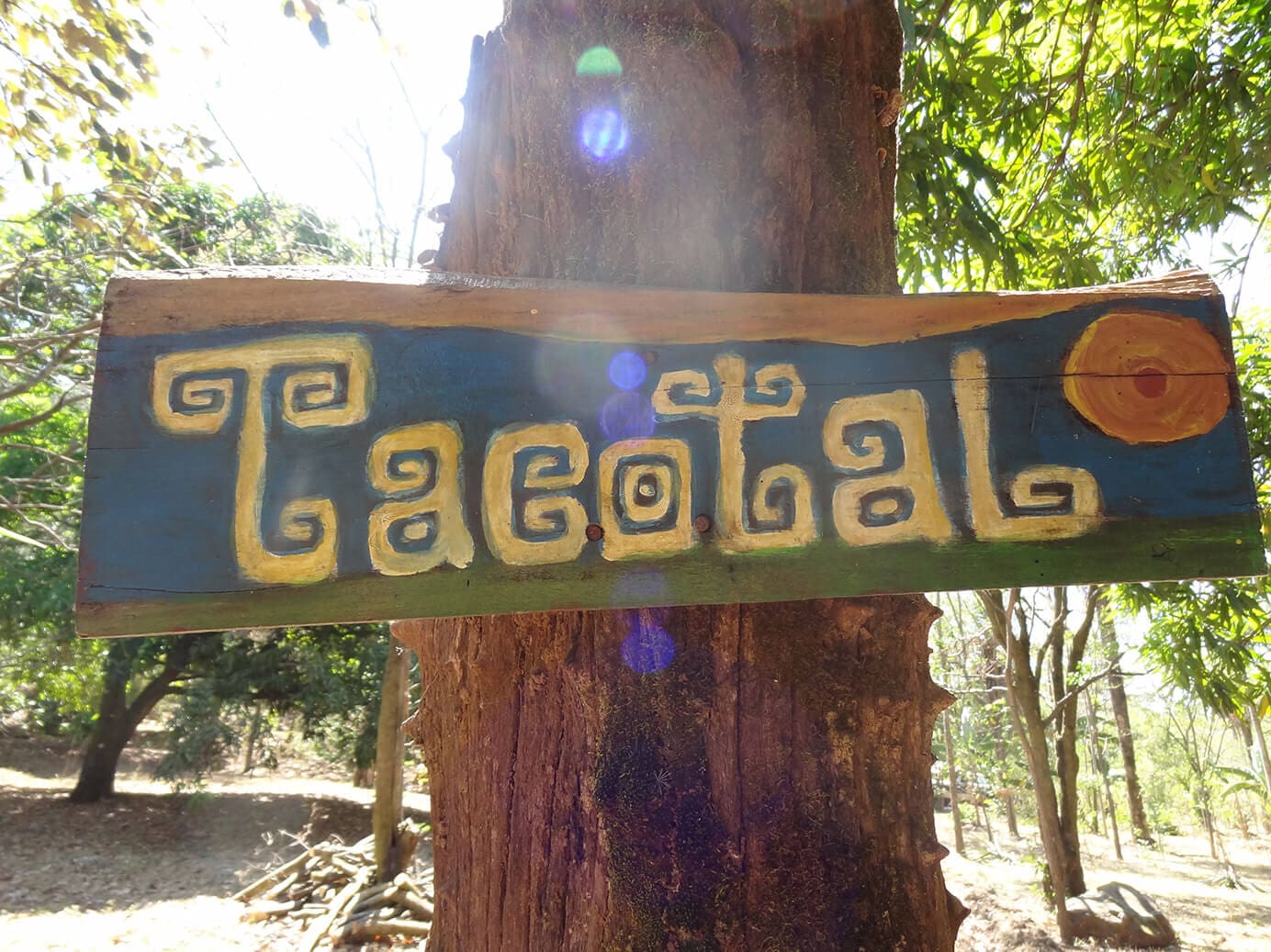
Several ecovillages have taken root here. Tacotal came first, a regenerative collective that showed what was possible. La Ecovilla followed and drew families from all over the world — more than anything else, it is what put this valley on the map, and it is the community that appeared in the Netflix series Down to Earth with Zac Efron.
Alegría Village is well established now, with its own rhythm and its own market. Ecovilla San Mateo is being built beside Real World School and will be the largest community in the valley so far — six neighbourhoods of forty to fifty homes each, close to three hundred in all.
Not all of the valley lives inside an ecovillage. In the Maderal area a neighbourhood has formed where families from the international community live integrated with Costa Rican neighbours who have been here for generations — and beyond it, people and families who are just as much part of the Machuca have settled across the surrounding countryside, from Atenas all the way to Turrubares.
The schools
For most families arriving here, school is the deciding question. Casa Sula was founded alongside La Ecovilla and became one of the strongest reasons families stayed; it also featured in the documentary that introduced many people to this valley.
What Casa Sula started grew into Real World School, today the main school for the valley’s international community, and the anchor around which a good deal of the newer building is arranged.
How the valley meets
The Mercado de la Tierra runs every Sunday, and Alegría Village holds its own market once a month — both open to everyone, and both the easiest way for a newcomer to meet the valley in an afternoon. Men’s circles, women’s circles and a steady stream of gatherings and workshops run across the communities rather than inside any one of them.
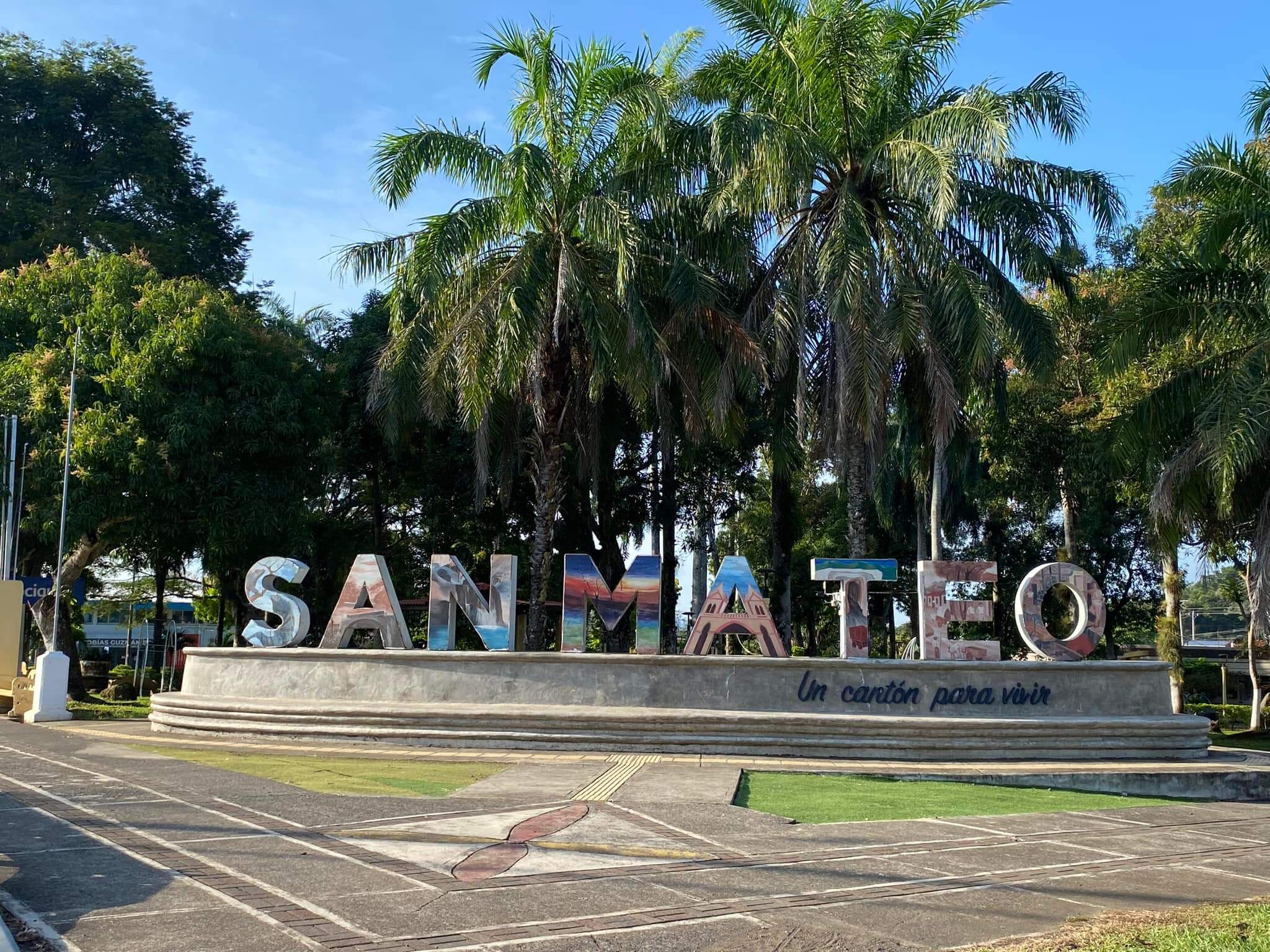
The local centre of all this is San Mateo, the market town the valley has always turned around. Its connection with the newer communities is real and reciprocal: the town has grown and changed alongside them.
Living here
It is a quiet place. There is essentially no traffic — what passes, passes on the routes toward San José — and it is genuinely strange to see a queue of cars. What has formed here is a supportive international community alongside a long-established local one, with a great deal going on for anyone who wants to take part, and real room to build something.
Machuca Homes’ mission is to always think along these lines.
People come here for a season and end up staying. If that sounds like you, this is where it begins.
Start your journey in the Machuca Valley